
KOSMICA ACADEMY
Advanced Studies in Space Humanities
7 Oct 2026 - 18 Jun 2027
Online & Berlin
KOSMICA Academy is a one-of-a-kind international programme in Space Humanities, bringing together some of the world's leading artists, thinkers, researchers, and practitioners. Over nine months, fellows engage in an intensive online programme from October to June, culminating in a three-day gathering in Berlin.
 SHARE THIS

DURATION
9 months (October to June)
FORMAT
Online, plus a three-day gathering in Berlin
SESSIONS
Wednesdays, 18:00 to 19:00 CET/CEST
FEE
500 to 2,500 EUR (you choose your tuition through a sliding scale)
OUTCOMES
Certificate, book publication and public presentation
Overview
This programme is for those interested and engaged with the cultural, philosophical and critical dimensions of space. It is designed to explore how space is imagined, narrated, represented, contested and governed across historical, anthropological and artistic perspectives.
Building on more than fifteen years of festivals, exhibitions and educational programmes, KOSMICA Academy serves as a pioneering platform for the emerging field of Space Humanities.
Throughout the programme, critical inquiry is combined with creative practice and professional development through a carefully structured sequence of lectures, mentorship, dialogue, and field-building sessions.
PHASE 1 · OCT–DEC
Foundations
Fellows encounter the foundations of Space Humanities and the assumptions that have shaped space discourse until now.
PHASE 2 · JAN–FEB
Systems
Deep engagement with the technoscientific systems shaping current space activities, from satellite constellations to autonomous systems and the political economy of the space sector.
PHASE 3 · MAR–APR
Propositions
Fellows shift from engaging with ideas to developing their own propositions, supported by mentorship and peer conversation.
PHASE 4 · MAY–JUN
Public Contribution
Fellows shape their final contributions and present publicly at the Berlin gathering.
PROGRAMME Structure
The Advanced Studies in Space Humanities programme takes place from October to June, with fellows meeting online on the second and fourth Wednesdays of each month, complemented by additional sessions throughout the year. The programme’s rhythm is intentionally designed to allow time between the sessions for reading, reflection, and the development of each fellow’s individual project, culminating in a three-day gathering in Berlin.
Who is this for?
Space Humanities is an emerging field, and the KOSMICA Academy is where a new generation of thinkers, artists, curators, and radical practitioners is helping to shape its future.
Fellows come from a wide range of disciplines, including art, academia, curatorial practice, writing, the space sector, architecture, design, and research. More broadly, we welcome anyone ready to question and explore how we relate to the Cosmos, develop an original line of inquiry, and contribute to the evolution of this field.
The programme is shaped around four threads that keep returning, in different forms throughout the nine months.
thread 1
Imagination
Examines how space has been imagined across history, tracing the narratives, ideologies and political assumptions that shape exploration while asking what alternative imaginaries might become possible.
THREAD 2
Technoscience
Explores satellites, AI, autonomous systems and scientific infrastructures through science and technology studies, political philosophy and the history of science, examining how power, knowledge and governance are produced through space technologies.
THREAD 3
Cosmological Plurality
Cultures around the world have looked up to answer the most profound questions of existence.
This thread places indigenous sky knowledge and non-Western cosmologies in dialogue with contemporary space science.
THREAD 4
Field Building
What does a career in Space Humanities actually look like?
Fellows gain the professional tools to publish, fund, curate, create, and establish their own practice.
WHAT YOU BUILD
Each fellow will develop an original line of inquiry throughout the nine-month programme, guided by mentorship and enriched through collective discussion. Over time, this inquiry will evolve into an individual project shaped by the fellow’s own discipline, perspective, and interests. Projects may take many forms, including conceptual, research-based, policy-oriented, speculative, technological, or artistic.
At the end of the programme, each fellow will produce a final written piece reflecting on their line of inquiry and the work it has generated. These texts are published together in a printed volume, launched during the Berlin gathering.
Fellows are also invited to present their work publicly at a three-day gathering in Berlin. The event combines closed-door sessions for the cohort with a public programme, where each fellow will present their project and the ideas that emerged through their inquiry to a wider audience. Attendance is not mandatory, but we strongly encourage all fellows to join. Travel, accommodation, and other expenses related to the Berlin gathering are covered by the participants.
Certificate
Fellows who successfully complete the programme will receive a Certificate of Advanced Studies in Space Humanities.
Publication
The cohort’s final contributions will be published in a printed book produced by KOSMICA Institute as both a record of the programme and a public contribution to the continuing development of Space Humanities. The book is launched at the Berlin gathering, and every fellow will receive copies of the book.
The KOSMICA Fellows Network
Graduates become part of the KOSMICA Fellows Network, an international community of practitioners committed to advancing the field through ongoing collaboration, publications, and public programmes. More than an alumni network, it is an active professional community that fosters long-term exchange, mutual support, and opportunities for future collaboration.
Meet the Founding Academic Board
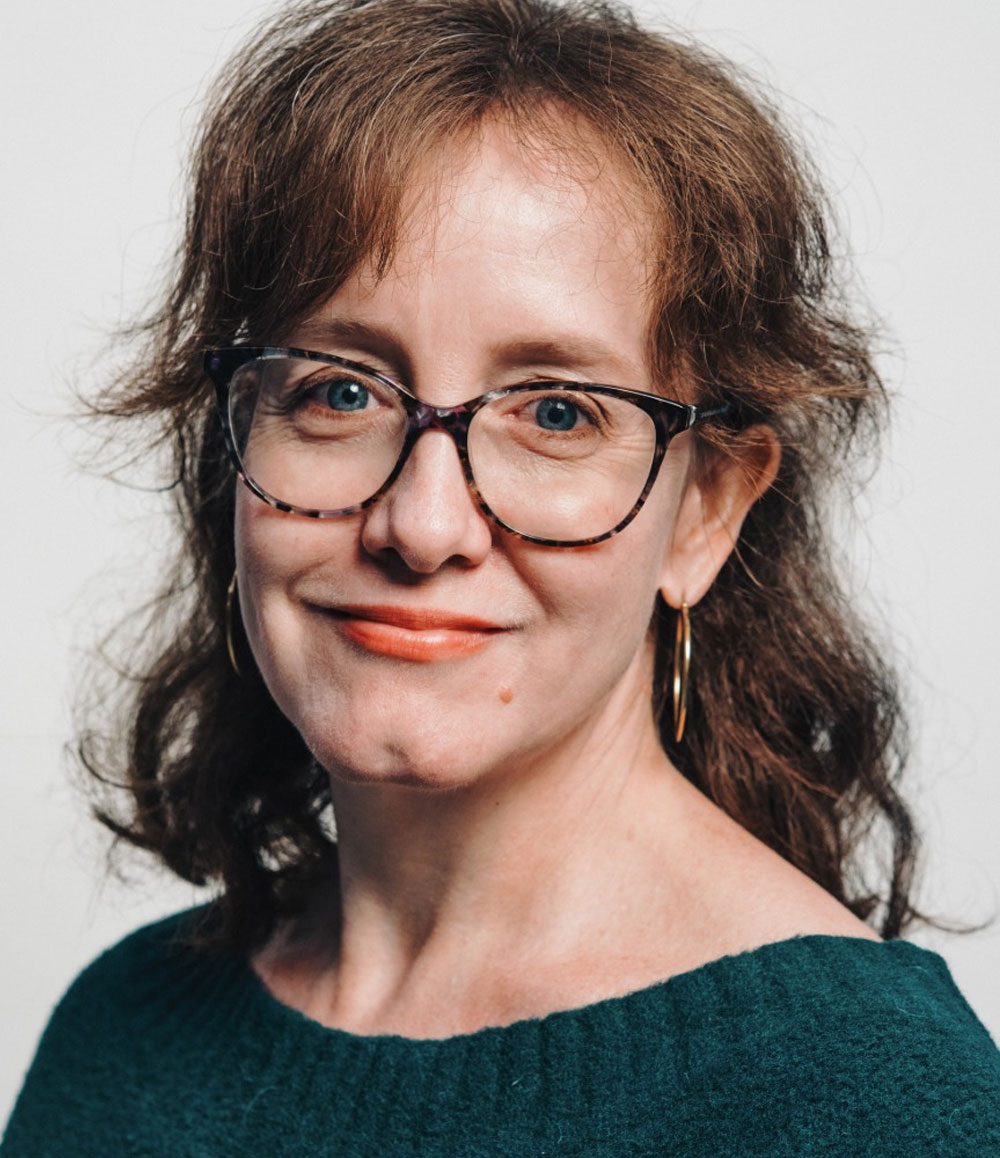
UNIVERSIDAD IBEROAMERICANA PROFESOR, MEXICO
Anne Johnson
Professor of Social Anthropology at Universidad Iberoamericana in Mexico City and author of Mexico in Space: From la Raza Cósmica to the Space Race (University of Arizona Press, 2026). Her research focuses on the anthropology of outer space, the social studies of science, technology, and art, and material culture. Her work centres non-Western and Latin American perspectives on cosmic imaginaries.
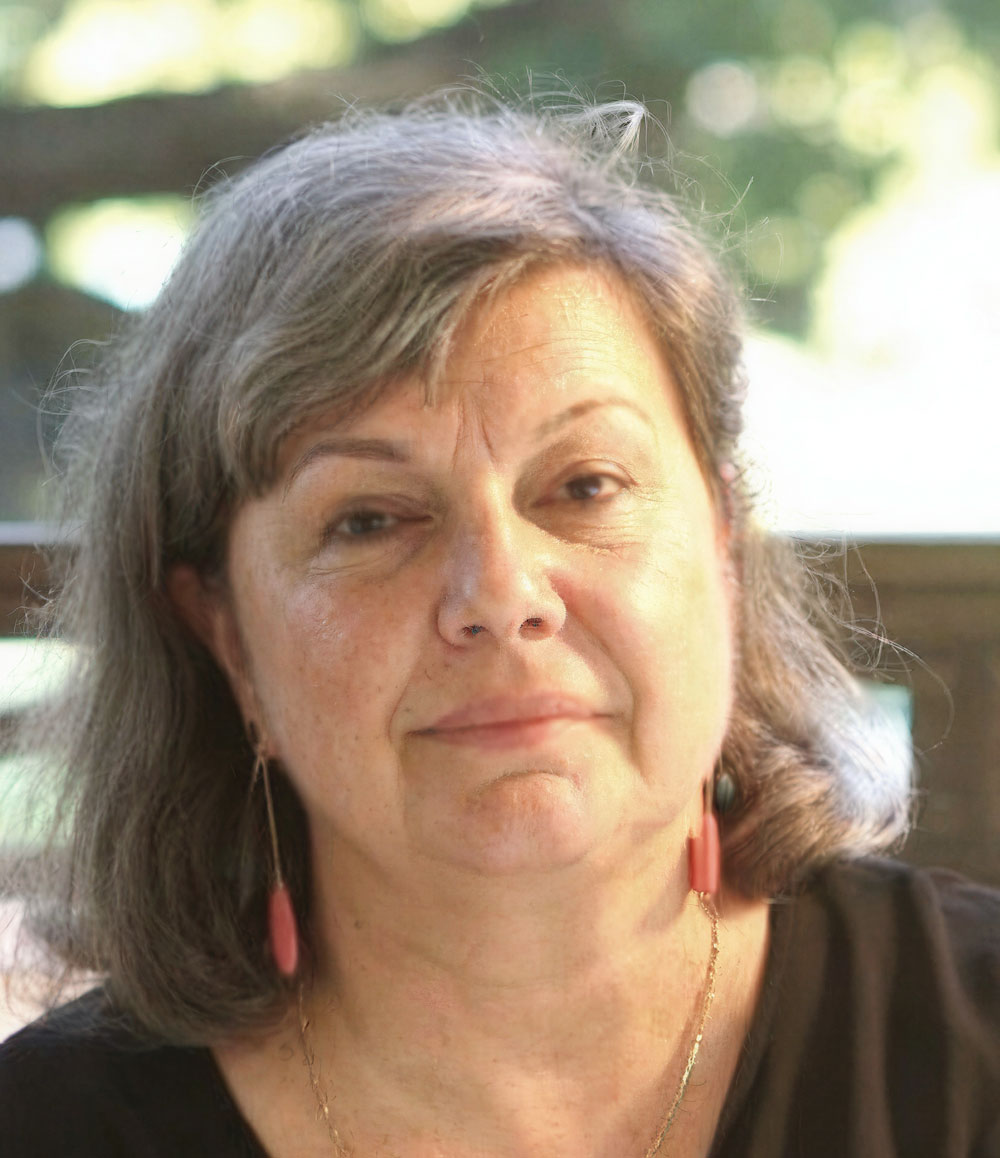
CURATOR, FRANCE
Annick Bureaud
Independent art critic, curator, and researcher based in Paris. Director of Leonardo/Olats from 1995 to 2025, where she developed pioneering programmes at the intersection of art, science, and technology, including the Leonardo Space Art and Science Workshops and the LASER Paris network. Curator of major exhibitions on art and extreme environments, biotechnology, and planetary imagination.
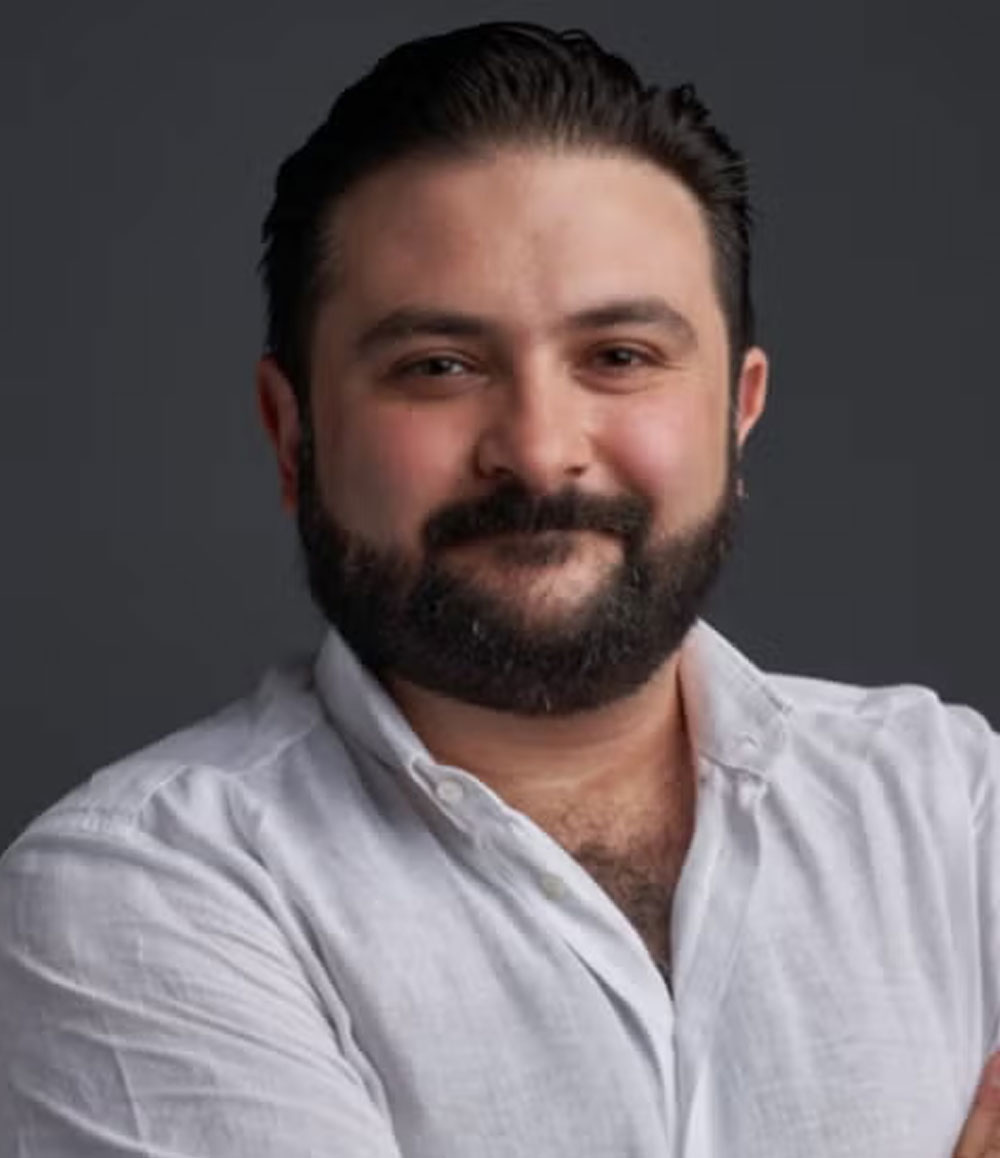
UCLA PROFESSOR, USA
Felipe Cervera
Director of the UCLA Center for Performance Studies, where he facilitates the Planetary Performance Lab, and Deputy General Editor of Performance Research. His work examines the politics of performance and outer space, planetary methodologies, and the emergent field of Space Humanities. Serves on the Committee for the Cultural Utilisation of Outer Space (ITACCUS) at the International Astronautical Federation.
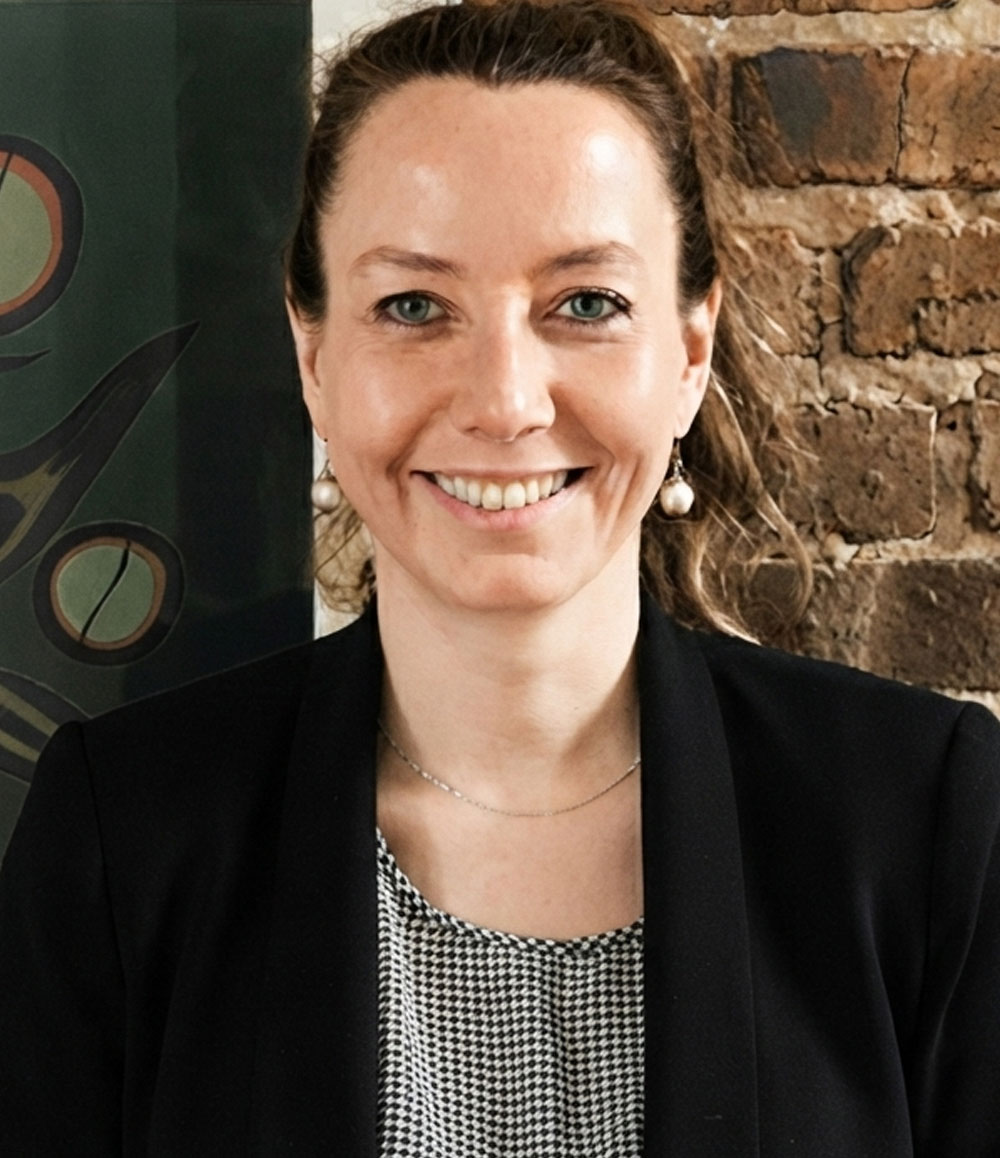
TORONTO UNIVERSITY PROFESOR, CANADA
Marie-Pier Boucher
Assistant Professor of Media Studies at the University of Toronto and co-editor of Space Feminisms (Bloomsbury, 2024) and Being Material (MIT Press, 2019). Her research focuses on the design of habitats for sustaining life in extreme environments, and on the socio-technical futures of interplanetary habitation. Former Mellon Postdoctoral Research Fellow at MIT's Center for Art, Science and Technology.
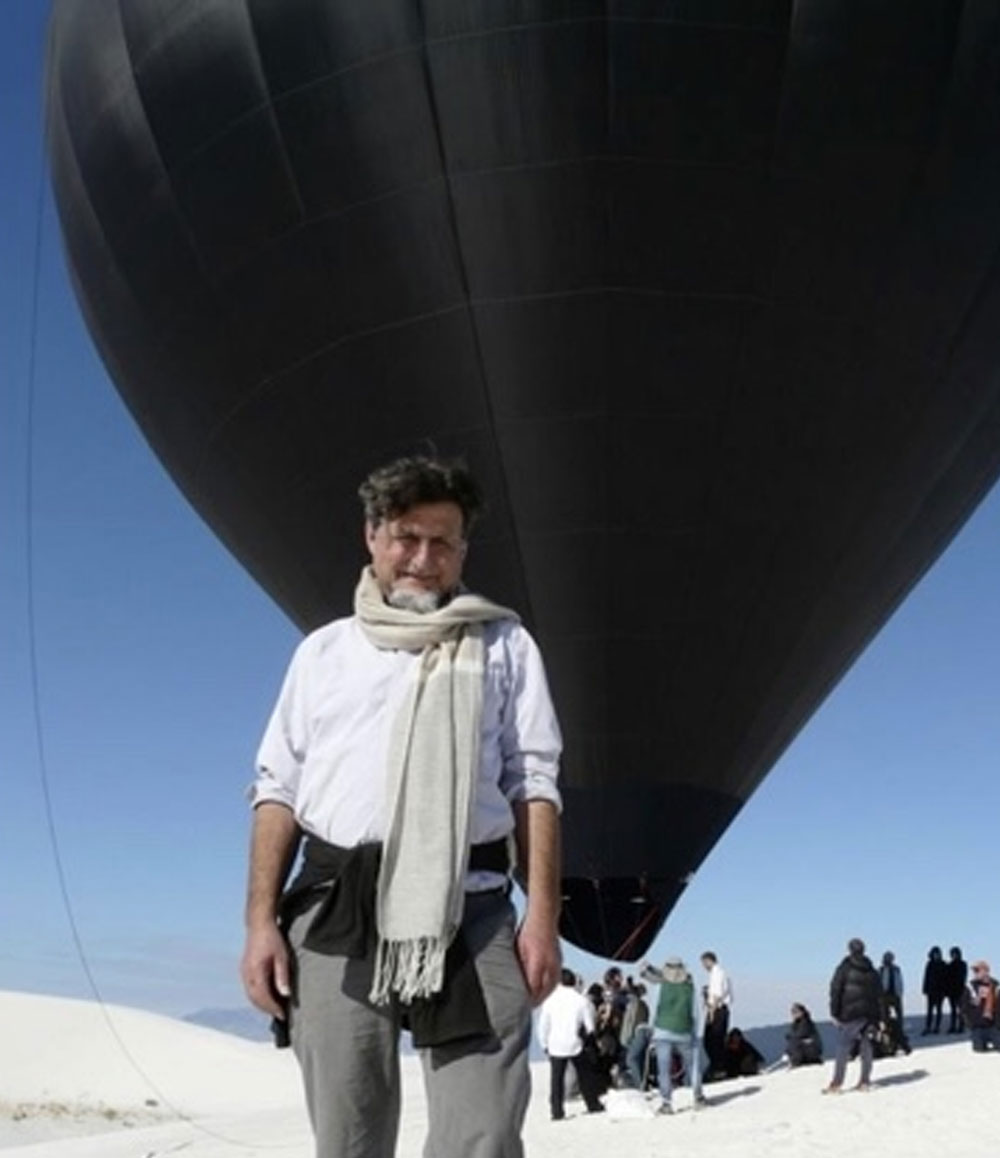
CURATOR, FRANCE
Rob La Frenais
Independent curator, writer, and critic, and founding editor of Performance Magazine (1979). Curator of The Arts Catalyst from 1997 to 2014, where he developed one of the world's most influential programmes of art-science commissions, including projects on the International Space Station and Republic of the Moon. In 1999, he became the first curator to experience zero gravity, on the Ilyushin MDK 75 at Star City in Moscow.
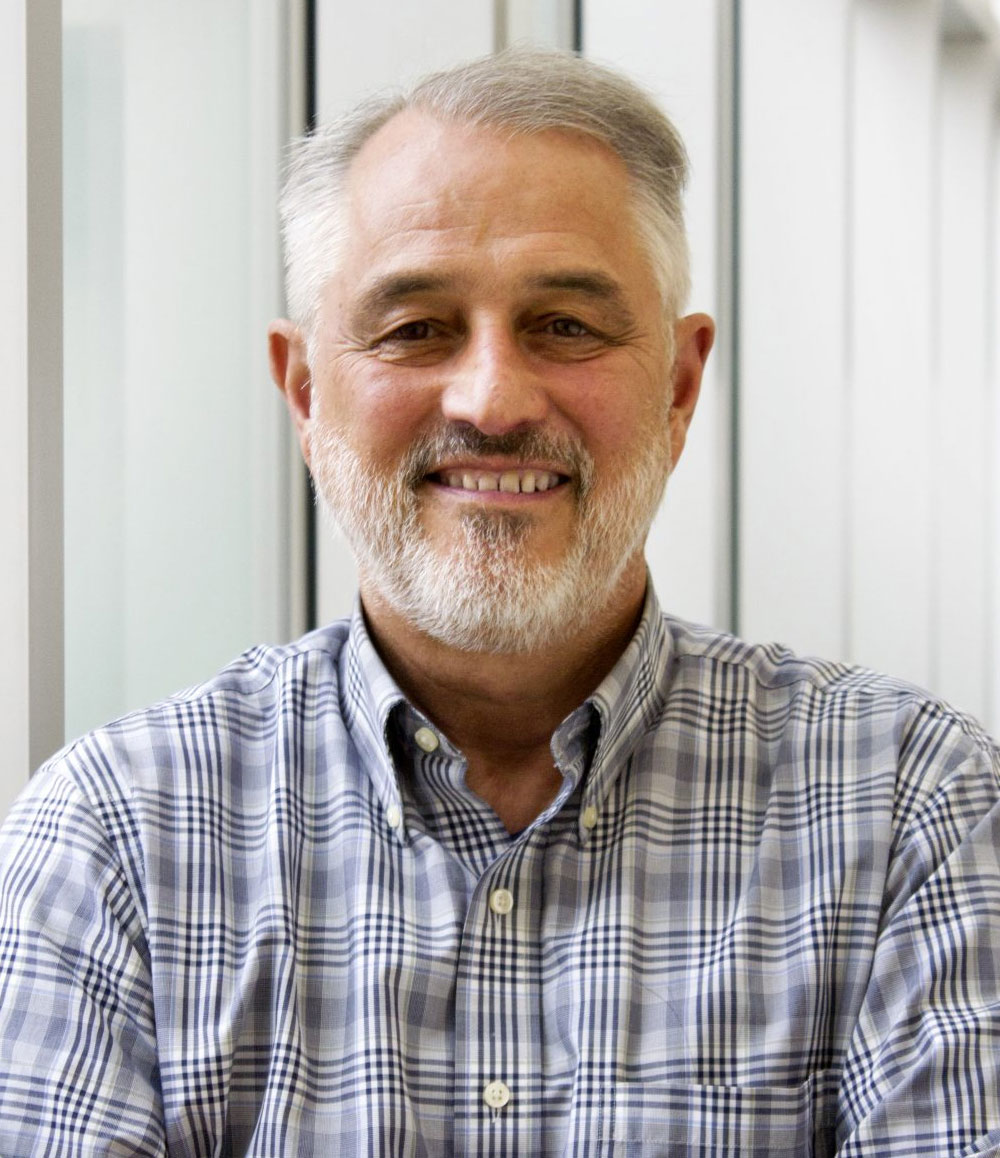
UT DALLAS PROFESSOR, USA
Roger Malina
Physicist, astronomer, and Executive Editor of Leonardo Publications at MIT Press since 1982. Distinguished Professor of Arts and Technology and Professor of Physics at the University of Texas at Dallas, and former Principal Investigator for NASA's Extreme Ultraviolet Explorer Satellite. Over four decades of leadership in bridging the arts, sciences, and space through Leonardo/ISAST and Leonardo/Olats.
TUITION FEES
We are committed to making the programme as accessible as possible. Tuition follows a sliding scale based on World Bank income classifications, allowing fellows to select the fee level that best reflects their own financial circumstances.
Those with institutional support or greater financial possibilities may choose to contribute at the higher end of the scale, while those with fewer can select a lower tuition fee. This flexible approach is built on trust and collective solidarity, helping ensure that financial circumstances do not become a barrier for those who wish to participate.
Band A — high-income countries
You choose: 1,500 to 2,500 EUR
Band B — all other countries
You choose: 500 to 1,500 EUR
Pay in monthly instalments
Fellows may choose to pay their programme fee in monthly instalments across the duration of the programme, from October to June. On acceptance, all fellows sign a participation agreement committing to the full fee regardless of payment schedule.
If none of the available payment options works for you, please contact us at ghazal@kosmicainstitute.com and we will find a solution together.
Tuition Calculator
KOSMICA Academy uses a sliding scale tuition model based on the World Bank income classification of your country of residence. Type your country of residence below to see your band, then use the slider to choose your fee within that range.
Select your country to see your tuition band.
≈ €222 / month across 9 instalments (Oct–Jun)
Band is based on the World Bank income classification of your country of residence at the time of application. See the Tuition section for the full list.
APPLICATION
The KOSMICA Academy operates through an application process. Applications are reviewed by the KOSMICA Academy team on a rolling basis, with priority given to applications received before the main deadline.
We accept 20 fellows per cohort. Applications open on 22 July 2026, and remain open until all seats are filled or until 30 September 2026, whichever comes first.
How to apply
Applicants submit a short application through the dedicated form, including a personal statement describing their background and reasons for joining the programme.
Deadline
30 Sepember 2026
Applications are reviewed confidentially by the KOSMICA Academy team.
THE PROGRAMME INCLUDES
· Participation in all 22 online sessions across nine months
· One-on-one mentorship sessions
· Access to recorded sessions and study materials
· Copy of the printed book published at the end of the programme
· Certificate of Advanced Studies in Space Humanities
· Membership in the KOSMICA Fellows Network
Note: Travel, accommodation, and other expenses related to the Berlin gathering are not included in the tuition fee and are covered by the participants. Attendance at the Berlin gathering is not mandatory, but we strongly encourage all fellows to join.
FAQs
KOSMICA Academy welcomes artists, scholars, curators, writers, space professionals, architects, designers, and researchers, along with anyone prepared to develop an original line of inquiry into space culture. Disciplinary background matters less than intellectual curiosity, a genuine question, and the willingness to develop it through sustained dialogue.
Yes. All prospective fellows submit an application through the dedicated form. Selection is based on the strength of the personal statement and the potential fit with the cohort.
Once accepted, you complete registration by paying the tuition fee (or the first instalment) through the link provided in your acceptance email.
The programme is conducted entirely in English. All sessions, materials, and written work are in English.
No. A working level of English sufficient to follow lectures, participate in discussions, and produce written work is required. Perfect fluency is not expected.
The nine-month programme runs online, with one in-person moment: a three-day gathering in Berlin in June, where fellows present their final contributions publicly.
Yes. All sessions are recorded and made available to fellows for the duration of the programme. Live attendance is expected wherever possible, but recordings are available for occasional missed sessions.
Sessions are 60 minutes each, held on the second and fourth Wednesdays of each month at 18:00 to 19:00 CET. Beyond the sessions, fellows are expected to dedicate around three to five hours per week to reading, reflection, and the development of their own line of inquiry.
Yes. The programme is designed for working professionals and independent practitioners. The pacing (two to three sessions per month) leaves time between gatherings to maintain other commitments.
Yes. Fellows who complete the programme receive a Certificate of Advanced Studies in Space Humanities.
Yes. Monthly payment across the duration of the programme is available to all fellows. Please indicate your preferred payment method during registration.
The cohort is capped at 20 fellows. If you are accepted but the cohort is full, you will be offered a place on the waiting list or a guaranteed seat in the following year's cohort.
Bands are determined by the World Bank income classification of the fellow's country of residence at the time of application.
It is a printed book that gathers each fellow's final written contribution. Produced by KOSMICA Institute, it is launched at the Berlin gathering in June and every fellow receives a copy.
No. Attendance at the three-day Berlin gathering is not mandatory, but we strongly encourage all fellows to join. Travel, accommodation, and other expenses related to the Berlin gathering are covered by the participants.
Please email us at ghazal@kosmicainstitute.com and we will get back to you within a few working days.
